

Web design is a constantly evolving field, and staying ahead of trends is critical for businesses looking to make a lasting impression online. As we head into 2025, the landscape of web design continues to shift, influenced by new technologies, user expectations, and aesthetic preferences.
San Diego’s WordPress web design services are poised to evolve with these changes, offering businesses of all sizes cutting-edge designs, optimal functionality, and seamless user experiences.
In this article, we’ll explore the major trends in WordPress web design, the significant changes expected in 2025, and the step-by-step process involved in creating a modern, functional, and attractive website. Let’s dive in.
The Evolution of WordPress Web Design and What to Expect in 2025

1. User-Centric Design
User experience (UX) has always been at the heart of web design, but as we move into 2025, it will become even more crucial. Websites will be designed with an even stronger focus on user-centric features, ensuring that visitors can navigate sites easily, quickly, and with minimal effort. This includes:
- Faster load times
- Intuitive navigation
- Personalized experiences
- Accessibility features that cater to all users, regardless of ability
2. Mobile-First Approach
In 2025, more people will access websites via mobile devices than desktops. WordPress web designers will increasingly implement mobile-first strategies, where the mobile version of the site is designed before the desktop version. This ensures the website is fully optimized for smaller screens, making it functional, fast, and user-friendly on smartphones and tablets.
3. Incorporation of AI and Automation
Artificial Intelligence (AI) will play a significant role in the evolution of WordPress web design. In 2025, web designers in San Diego will leverage AI-powered tools to improve personalization and automate tasks like content curation, customer service chatbots, and even design elements. These technologies will make websites more adaptive and user-friendly.
4. Increased Integration of Video Content
Video is set to continue its dominance, and 2025 will see even more integration of dynamic video elements. WordPress sites will increasingly use background videos, product demos, and tutorials, all designed to engage visitors and boost interaction.
5. Sustainability and Eco-Friendly Design
As businesses and consumers become more environmentally conscious, sustainability will be a significant focus in web design. In 2025, WordPress websites will prioritize low-energy design practices, including energy-efficient hosting, minimalistic layouts, and reduced use of heavy graphics and unnecessary plugins.
6. Voice Search Optimization
With the growing use of smart speakers and voice-activated devices, optimizing websites for voice search will be a key part of web design in 2025. WordPress sites will need to implement conversational SEO strategies to ensure they rank well in voice search results, allowing users to find information more quickly and naturally.
7. Enhanced Security Measures
As cybersecurity threats continue to evolve, WordPress web designers will need to implement more sophisticated security measures in 2025. From SSL certificates to two-factor authentication (2FA) and regular security updates, web designers will focus on making websites more secure for both users and business owners.
The Step-by-Step Process of Professional WordPress Web Design

Creating a successful WordPress website involves a series of steps, each of which requires attention to detail, technical expertise, and a focus on the client’s goals. Below is a step-by-step breakdown of the typical process involved in professional San Diego WordPress web design services.
1. Initial Consultation and Discovery
Every successful web design project begins with understanding the client’s goals, target audience, and business needs. During the discovery phase, the web design team will:
- Meet with the client to discuss their vision, branding, and objectives for the website.
- Conduct research on the client’s industry, competitors, and audience.
- Review any existing website or assets the client may have, and discuss potential improvements.
- Define the website’s functionality, such as e-commerce integration, contact forms, booking systems, etc.
2. Strategy and Planning
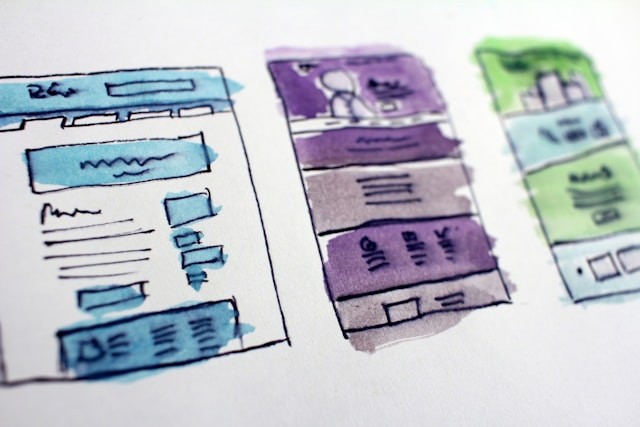
Based on the discovery phase, the next step is to create a strategic plan. This involves:
- Mapping out the website’s structure (site map).
- Defining the user journey and core features.
- Setting timelines and milestones.
- Planning for SEO and content creation.
Explanation: This is where the web designer creates a blueprint for the site, ensuring that the design and content will align with the goals and needs of the business. Effective planning helps streamline the design and development process.
3. Wireframing and Prototyping
Wireframes are basic blueprints of a website, showing the layout and structure of key pages without any design elements. Once the wireframe is approved, a prototype can be created.
- Designers build interactive prototypes to give the client an idea of the website’s layout, flow, and functionality.
- The prototype allows the client to test key features and provide feedback before the design is finalized.
Explanation: Wireframing and prototyping help visualize the user interface (UI) before actual development begins. It’s an essential step in ensuring that the site structure is intuitive and that the design aligns with the client’s vision.
4. Visual Design and User Interface (UI) Development
In this stage, the visual aspects of the website come to life. The designer will:
- Select colors, typography, and imagery that align with the brand’s identity.
- Apply branding elements such as logos and visual style guides.
- Optimize the design for both desktop and mobile experiences (responsive design).
- Create engaging and functional UI elements like buttons, menus, and forms.
5. Content Creation and SEO Optimization
Content is a critical part of any website. This phase involves:
- Writing or refining content for all pages (home, about, services, blog, etc.).
- Ensuring that content is optimized for SEO by using appropriate keywords, meta tags, and alt text for images.
- Creating high-quality, engaging media, such as photos, graphics, and videos.
6. Development and Coding
Once the design is approved, the development team will start building the website. This includes:
- Setting up the WordPress platform and installing necessary themes and plugins.
- Coding custom features, functionalities, and integrations (e.g., e-commerce, booking systems).
- Ensuring that the website is responsive, secure, and optimized for performance.
7. Testing and Quality Assurance
Before launching the website, thorough testing is conducted to identify and fix any issues. Testing includes:
- Checking the website’s responsiveness across different devices and screen sizes.
- Testing all forms, links, and functionality.
- Running speed tests to ensure fast load times.
- Ensuring the website is secure and free of bugs or glitches.
8. Launch and Post-Launch Support
After testing, the website is ready for launch. However, the work doesn’t stop there:
- The team will deploy the website to the client’s hosting environment.
- They will monitor performance and resolve any immediate issues.
- Ongoing maintenance and updates will be provided to ensure the site remains secure and functional.

Conclusion
The field of WordPress web design is always evolving, and staying ahead of trends is essential for creating a website that’s both functional and aesthetically pleasing. In 2025, businesses will need websites that prioritize user experience, mobile optimization, sustainability, and advanced technologies like AI.
By following a structured, step-by-step approach, professional WordPress web design services in San Diego can help businesses create websites that not only meet their needs today but are prepared for the challenges and opportunities of the future.
If you’re ready to take your online presence to the next level with a professional, user-friendly WordPress website, now is the perfect time to get started. Reach out to a trusted WordPress web design service in San Diego and begin the journey toward an exceptional website experience.


